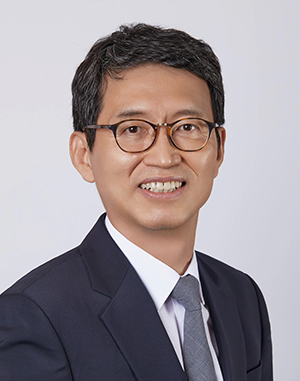
Emeritus Professor
Hee Chan Kim
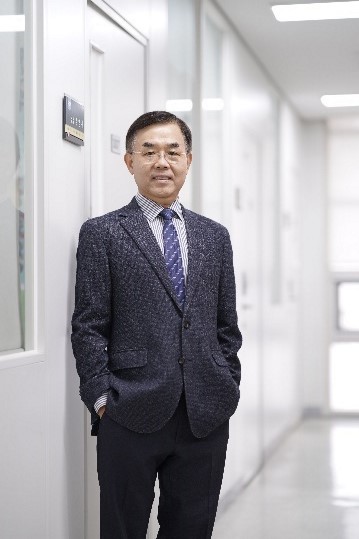
Emeritus Professor
Youngsoo Kim
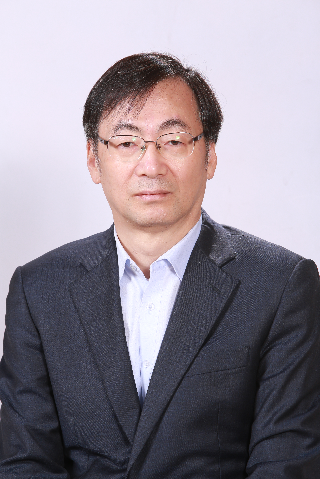
Emeritus Professor
Kwang Suk Park
Emeritus Professor
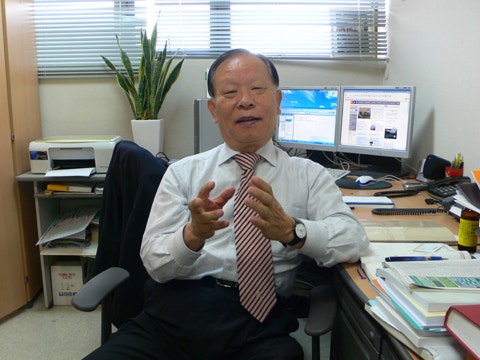
Byoung Goo Min
Emeritus Professor
Hee Chan Kim
Retired 2024.09
Education
- 1978–1982B.S. in Electrical Engineering, College of Engineering, Seoul National University
- 1982–1984M.S. in Biomedical Engineering, Department of Electrical Engineering, Graduate School of Seoul National University
- 1984–1989Ph.D. in Biomedical Engineering, Department of Control and Instrumentation Engineering, Graduate School of Seoul National University
Major Career & Experience
- 1989–1991Full-time Researcher, Artificial Heart Research Laboratory, University of Utah, USA
- 1991–1993Full-time Instructor, College of Medicine, Seoul National University
- 1993–1994Visiting Professor, Artificial Heart Research Laboratory & Department of Pharmaceutics, University of Utah, USA
- 1994–2024Assistant Professor, Associate Professor, Full Professor, College of Medicine, Seoul National University
- 2006–2010Director, Medical Device Evaluation Center, Clinical Research Institute, Seoul National University Hospital
- 2006–2010Director, GLP Center, Clinical Research Institute, Seoul National University Hospital
- 2011–2013Head Professor, Interdisciplinary Program in Bioengineering, Graduate School of Seoul National University
- 2006–2016Chairman, Department of Biomedical Engineering, College of Medicine, Seoul National University
- 2006–2016Director, Department of Biomedical Engineering, Seoul National University Hospital
- 2007–2017Director, Institute of Medical and Biological Engineering, Medical Research Center, Seoul National University
- 2017–2018Member, Health and Medical Technology Policy Deliberation Committee, Ministry of Health and Welfare
- 2019President, Korean Society of Medical and Biological Engineering (KOSOMBE)
- 2013–2020Head, Research Support Division, Biomedical Research Institute, Seoul National University Hospital
- 2011–2024Director, Intellectual Property Management Office, Biomedical Research Institute, Seoul National University Hospital
- 2014–2024Chairman, HRPP QA Committee, Seoul National University Hospital
- 2015–2021CEO, SNUH Venture Co., Ltd.
- 2021–2023Head of Department, Department of Medical Device Industry, Graduate School of Seoul National University
- 2017Elected Member, National Academy of Engineering of Korea (NAEK)
Media Coverage & Interviews
Medical Device Research and Healthcare Innovation
Over the past 40 years of researching biomedical engineering and medical devices, Professor Hee Chan Kim focused not merely on publishing academic papers, but on the development and commercialization of technologies directly applicable to actual patients.
Starting with the development of a Korean artificial heart, he led the research and commercialization of various medical devices, including insulin pumps, blood glucose sensors, and wearable blood pressure monitors. Through industry-academic collaborations, he strived to bridge research achievements with clinical practice and industry.
Furthermore, having pursued medical AI research since 1995, he presented a vision where AI could reduce burden and potential errors for medical staff and lower healthcare costs, contributing to a sustainable healthcare system. As CEO of SNUH Venture, he also contributed to the growth of the medical device industry ecosystem by supporting the founding and fostering of medical startups.
“For the past 40 years, I focused on researching technologies that could actually be applied to patients, rather than stopping at publishing papers.”
Professor Hee Chan Kim · The University Newspaper Interview
Emeritus Professor
Youngsoo Kim
Retired 2023.03
Education
- 1982B.E., Department of Chemical and Biological Engineering, Seoul National University
- 1984M.S., Department of Biological Sciences, KAIST
- 1992Ph.D., Chemistry & Biochemistry, University of Texas at Austin
Major Career & Experience
- 2010–2013Chair of Academic Committee, Korean Human Proteome Organization (KHUPO)
- 2014–2017Auditor, Korean Human Proteome Organization (KHUPO)
- 2018–2019Vice President, Korean Human Proteome Organization (KHUPO)
- 2022–2023President, Korean Human Proteome Organization (KHUPO)
- 2024–2026Board Member, Korean Human Proteome Organization (KHUPO)
- 2024–PresentAuditor, The Circle Foundation
- 2015–2017Head Professor, Interdisciplinary Program in Bioengineering, SNU College of Engineering & College of Medicine
- 2017–2019Expert Committee Member, Health Insurance Evaluation Committee, Ministry of Health and Welfare
- 2022–2026Advisory Committee Member, K-BDS (Bio Data Station) Operation, National Research Foundation of Korea
- 2022–PresentMember, Data Development Committee, Ministry of Science and ICT
- 2023–PresentSpecial Appointment Professor, Graduate School of Medicine, CHA University / Director, AI-Omics Center, Bundang CHA Hospital
Media Coverage & Interviews
Gratitude Shared with Research and Colleagues
Professor Youngsoo Kim conducted research and education for about 20 years at the Seoul National University College of Medicine, engaging in numerous collaborative studies with basic science departments, biomedical sciences faculty, and various clinical professors.
Upon his appointment at SNU College of Medicine, he established a proteomics research infrastructure and continuously expanded the research foundation through collaboration with diverse researchers. He expressed deep gratitude to his colleagues who enabled him to continue dementia research even after retirement.
In his retirement speech, he expressed heartfelt gratitude to the faculty and staff at SNU College of Medicine and Hospital, as well as to all who shared moments of research and life with him.
“Who I am today is all thanks to the grace of everyone at Seoul National University College of Medicine and Hospital.”
Professor Youngsoo Kim · Retirement Address
Emeritus Professor
Kwang Suk Park
Retired 2022.09
Education
- 1980B.S. in Electrical Engineering, Seoul National University
- 1982–1985Biomedical Engineering, College of Engineering, Seoul National University
Major Career & Experience
- 1985–2022Professor, Department of Biomedical Engineering, College of Medicine, Seoul National University
- 1987–1988Visiting Professor, UCLA, USA
- 1994–1995Visiting Professor, UCSF, USA
- 1998–2006Chairman, Department of Biomedical Engineering, College of Medicine, Seoul National University
- 1998–2006Director, Department of Biomedical Engineering, Seoul National University Hospital
- 2001–2015Director, Advanced Biometrics Research Center
- 2003–2007Director, Institute of Medical and Biological Engineering, Medical Research Center, Seoul National University
- 2014–2015President, Korean Society of Medical and Biological Engineering (KOSOMBE)
Media Coverage & Interviews
Ubiquitous Health and Sleep Medicine Research
Professor Kwang Suk Park described biomedical engineering as a discipline that supports medicine technologically and engineeringly, contributing to overall medical advances through device research and development. After majoring in electrical engineering, he became interested in the potential of biomedical engineering to bridge medicine and engineering.
His main research areas were ubiquitous health and sleep medicine, focusing on technologies that continuously monitor health conditions in daily life rather than limiting healthcare to hospitals. A representative research achievement is the digital sleep diagnosis system that measures and stores physiological signals during sleep.
As President of the Korean Society of Medical and Biological Engineering, he hosted international academic conferences in Korea and contributed to indexing the society's journal in SCI. Throughout research and education, he prioritized collaboration and communication with students, predicting that biomedical engineering will continue to grow across medicine and industry.
“Faithfully doing what needs to be done in the given time is the most meaningful way to use time.”
Professor Kwang Suk Park · The University Newspaper Interview
Emeritus Professor
Byoung G. Min
Retired 2008.03
Education
- 1965B.S. in Electrical Engineering, Seoul National University
- 1970M.S. in Biomedical Engineering, Rutgers University
- 1972Ph.D. in Biomedical Engineering, Rutgers University
Major Career & Achievements
- 1972–1974Research Fellow, The Mount Sinai School of Medicine
- 1974Assistant Professor, Department of Electrical Engineering & Department of Surgery, Rutgers University
- 1976Returned to Korea; conducted research and education in biomedical engineering at Seoul National University
- 1976–1998Chairman, Department of Biomedical Engineering, College of Medicine, Seoul National University & Director, Department of Biomedical Engineering, Seoul National University Hospital
- 1989–1996Vice President, Korean Society of Medical and Biological Engineering
- 1989–2002Founding Director, Institute of Medical and Biological Engineering, Medical Research Center, Seoul National University
- 1996–1997President, Korean Society of Medical and Biological Engineering
- 2001Achieved successful human implantation of an implantable heart-saving type artificial heart
- 2002Awarded the Minister of Commerce, Industry and Energy Commendation
Media Coverage & Interviews
Artificial Organ Research and Biomedical Engineering for Humanity
After majoring in electrical engineering, Professor Byoung G. Min chose biomedical engineering during his study abroad in the United States—a field then unfamiliar in Korea. Subsequently, he laid the foundation for biomedical engineering research and education at Seoul National University, leading the development of various artificial organs, including a Korean total artificial heart.
Throughout his 30 years of research, he focused on artificial organs and medical devices, mentoring over 200 master's and doctoral researchers and significantly contributing to the academic foundation and future generation of biomedical engineering in Korea.
Beyond research, he maintained a passion for poetry, publishing the poetry collection 《Arrow in the Fog》. He emphasized the importance of humanities knowledge for understanding people and life beyond medical and engineering disciplines, advising students on the significance of leveraging information and communicating effectively.
“A doctor is not merely someone who cures a patient's illness, but someone who improves the patient's quality of life.”
Professor Byoung G. Min · The University Newspaper Interview